The cultural-tourism sector across Europe is undergoing profound change. Digitalisation, evolving consumer behaviours and the imperative of sustainability are reshaping how destinations, heritage sites and tourism SMEs operate.
At the same time, new technologies such as Web 3.0, blockchain, and immersive environments (metaverse) are opening up opportunities, but many cultural tourism professionals lack the skills, networks and business models to take full advantage of them.
Web3Tour was launched to bridge these gaps: helping SMEs and professionals gain digital and sustainable innovation skills, strengthen competitiveness, and co-create the future of European cultural tourism.
The Web3Tour project was co-funded by the European Commission under the Creative Europe programme and was implemented by TheFutureCats together with partners Envolve Cyprus from Cyprus and Arctur from Slovenia.
Through a combination of research, training, mentoring, and ecosystem-building, the project supported SMEs and professionals to integrate Web 3.0, blockchain, metaverse, and green innovation into their business models, turning forward-looking ideas into real-world impact projects.
It began with a comprehensive needs assessment and the co-creation of a training curriculum covering entrepreneurship, digitalisation, metaverse experiences, and sustainable business practices tailored to the cultural tourism sector.
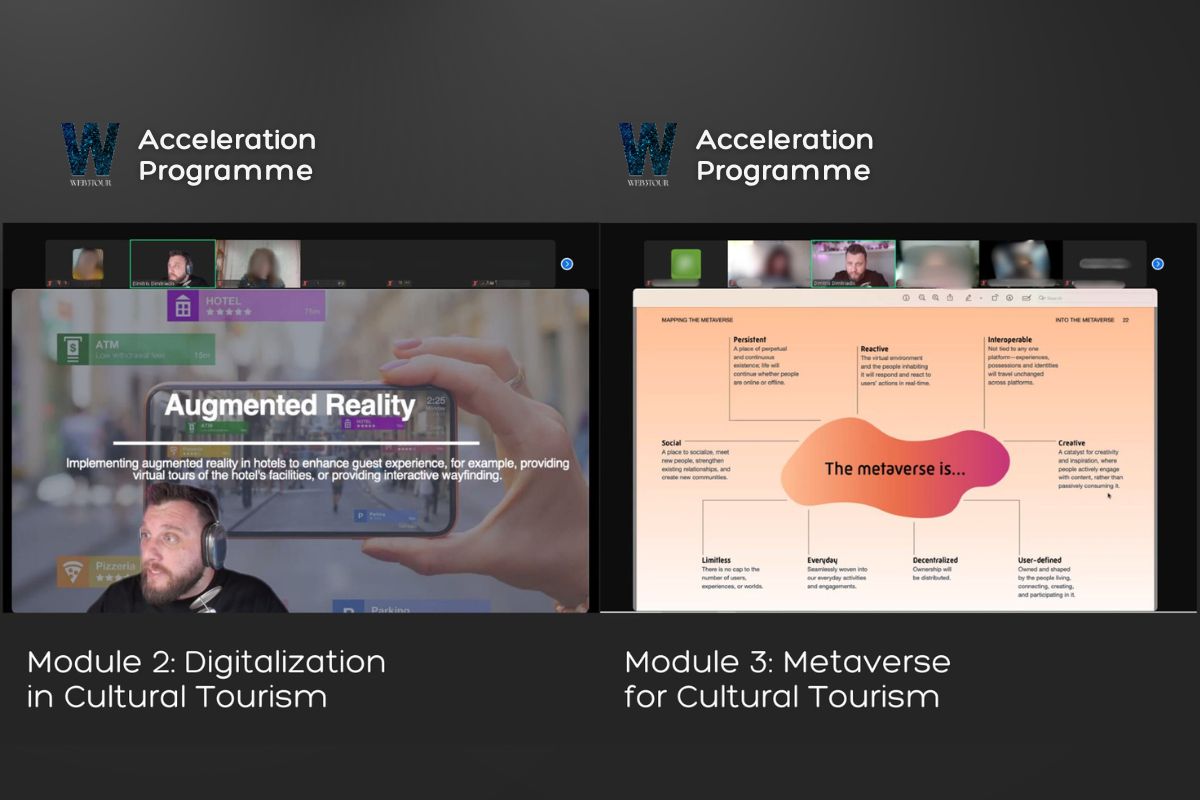
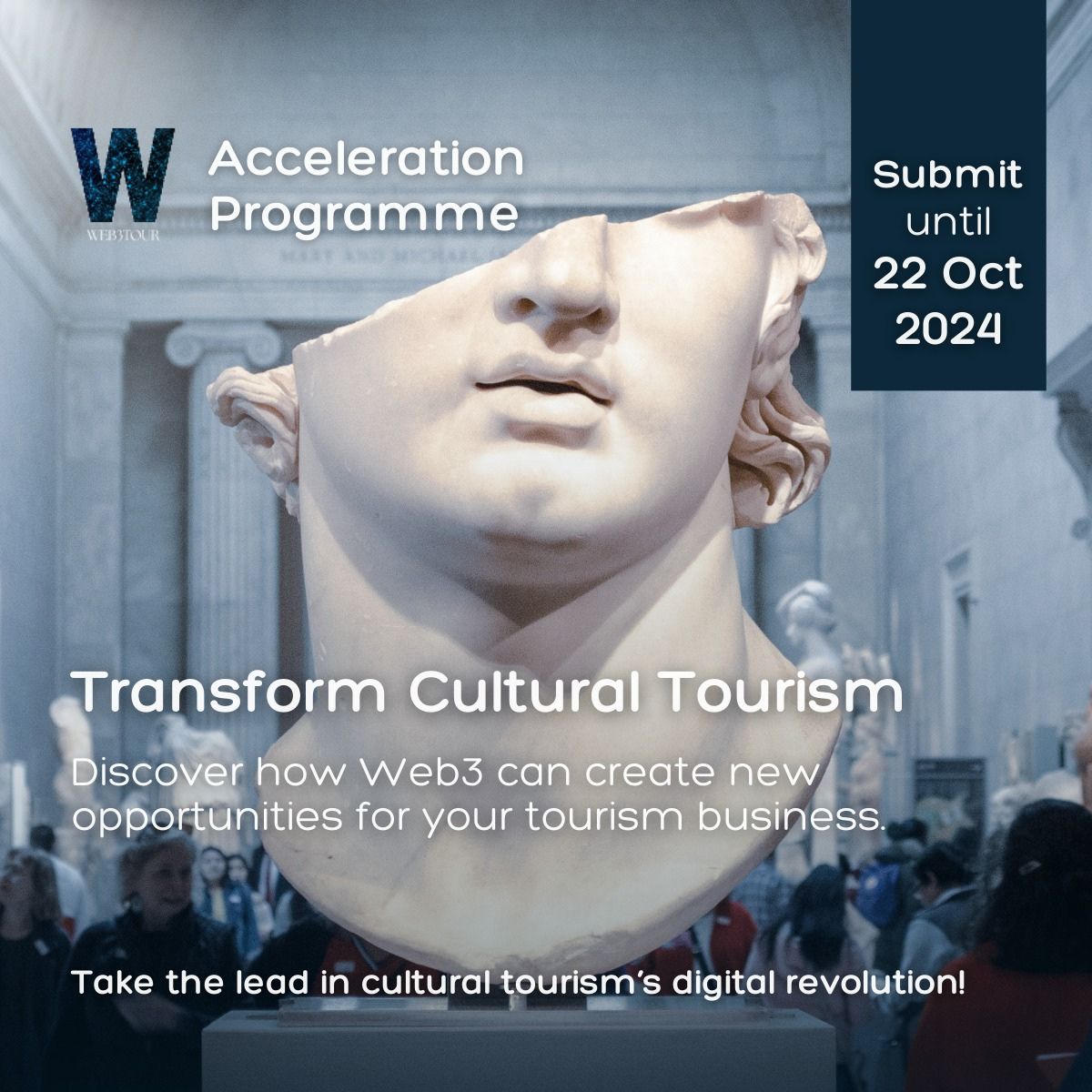
This was followed by a full acceleration programme featuring digital learning modules, expert mentoring, and peer-to-peer networking. Participants explored how emerging technologies can enhance visitor engagement, transparency, and environmental performance, from metaverse experiences and virtual exhibitions to blockchain-enabled cultural services.
The Demo Day, which marked the closing of the accelerator, was conducted inside a metaverse platform, giving participating SMEs the opportunity to showcase their innovative solutions in an immersive, interactive environment. The event brought together an international audience of experts and stakeholders, where the Slovenian company Heristate received first place, a highlight that demonstrated the creativity, vision, and business potential fostered through the programme.
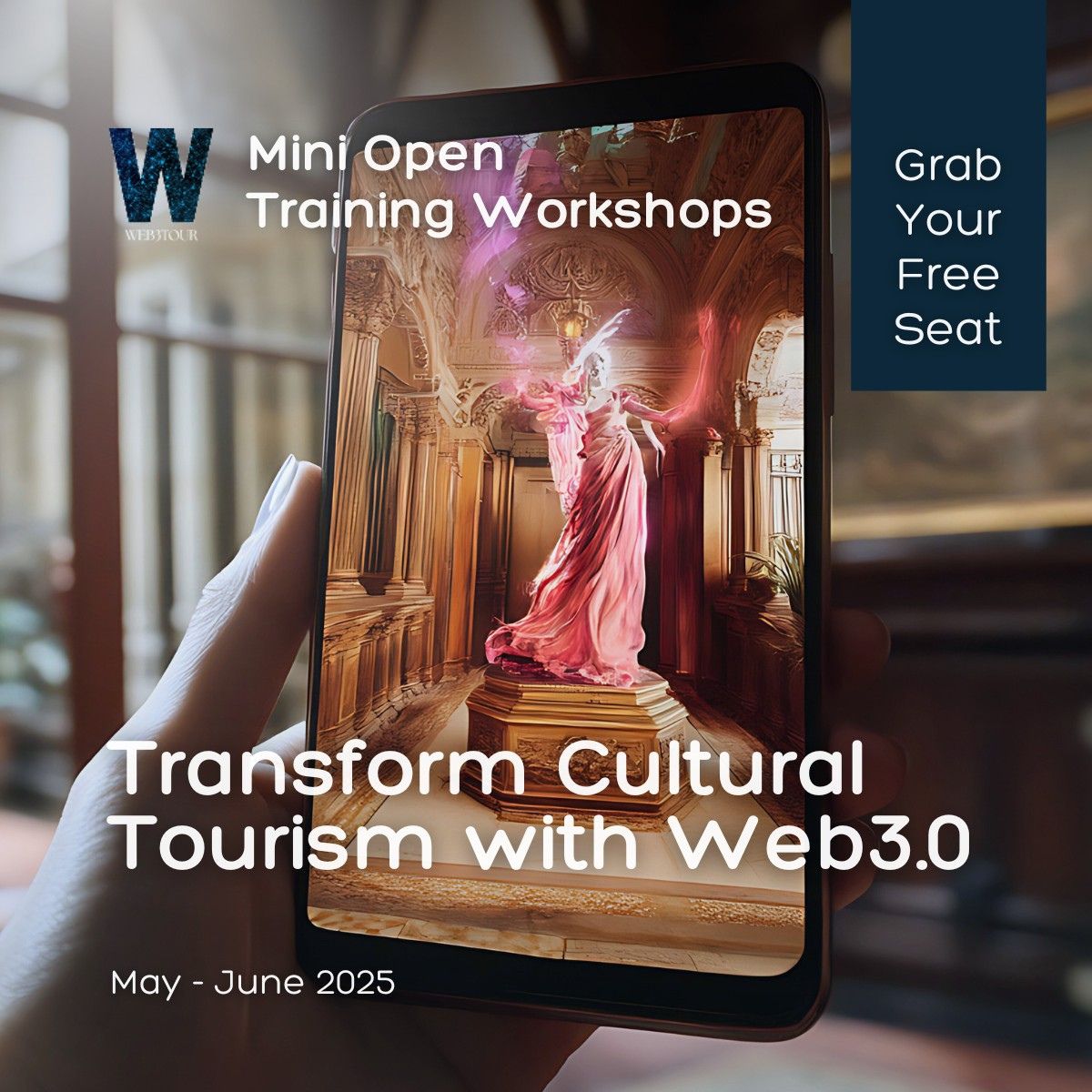
To ensure wider impact, the consortium organised open mini workshops and a Train-the-Trainers master session, equipping educators and innovation intermediaries to replicate the Web3Tour model across Europe.
The journey concluded with a Final Event that brought together SMEs, policymakers, and industry leaders to discuss the project’s outcomes and explore the next steps for the European cultural tourism ecosystem. It served as both a celebration of achievement and a forward looking dialogue on how digital and green transformation can continue to empower the sector.
By its completion, Web3Tour had created a lasting European ecosystem of innovators ready to shape a smarter, more sustainable, and more human-centred future for cultural tourism.